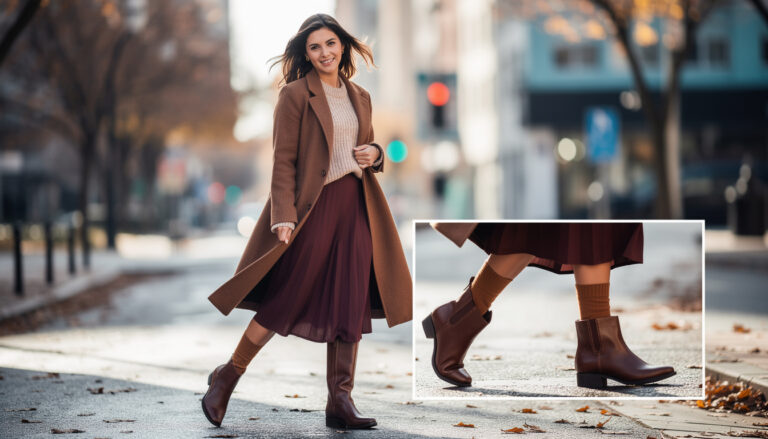
When it comes to walking on ice, the heel height of your shoes can greatly affect your stability and comfort. Understanding the importance of choosing the right heel height can prevent discomfort and even injuries, especially during those slippery winter months.
Brief
Key Takeaways:
– The ideal heel height for back health is around 1 to 2 inches. 🥾
– Proper heel height helps maintain balance and reduce the risk of falls on ice. ❄️
– Posture is crucial; a lower heel supports better spinal alignment. 🧘
– Prioritize footwear that emphasizes comfort and slip prevention. ⚖️
– Regularly assess the impact of heels on your long-term spinal health. 🩺
Understanding the Impact of Heel Height on Back Health
High heels may seem stylish, but they can significantly disrupt your body’s natural alignment. When walking on ice, this misalignment can be particularly hazardous. High heels push your center of gravity forward, which compromises your balance and increases the risk of slipping. Opting for a more moderate heel height allows for better alignment and stability.
The Role of Center of Gravity
When your heel height exceeds 2 inches, your center of gravity shifts forward. This can lead to an anterior pelvic tilt, adversely affecting spinal alignment. Instead of straining your back when navigating slippery surfaces, maintaining a heel height of 1 to 2 inches positions your body for better balance and comfort.
Heel height experts say is SAFEST for icy walks this winter
Optimal Posture for Ice Walking
Good posture doesn’t only help your spine; it also plays a key role in preventing falls. Wearing shoes with a lower heel assists in maintaining a more natural spinal curve. The right height can ensure your hips, knees, and lower back are well-aligned, thereby reducing excess strain while walking on ice.
Comfort and Support Matter
Comfort is non-negotiable when choosing footwear for winter walks. A moderate heel not only offers adequate support but also enhances your overall comfort. Look for shoes with padded insoles and good arch support to alleviate additional pressure on your back and feet.
- ⚖️ Opt for lower heel heights (ideally under 2 inches) for better comfort.
- 🦶 Consider footwear that has cushioned insoles.
- ❄️ Prioritize slip-resistant soles to avoid injury on ice.
This combination of features ensures that you’re not only walking stylishly but also safely during those frosty months. Regularly reflect on the changes you notice in your body and posture when wearing different heel heights. This awareness can guide future footwear choices.
Preventing Slip and Fall Injuries
One of the most significant risks of walking on ice is the likelihood of slipping and falling. When your heels are too high, you become more top-heavy and less stable. A lower heel height, such as 1 to 2 inches, better balances your body and reduces the risk of unfortunate accidents. This simple adjustment can allow for more confident movement on slippery surfaces.
Mind Your Footwear Choices
Choosing the right footwear can significantly impact your winter experience. Here’s what to consider:
- 🥿 Select shoes with a moderate heel height for optimal balance.
- ✨ Look for water-resistant materials to keep your feet warm and dry.
- 🥾 Incorporate non-slip technologies to further boost safety.
Prioritize comfort and performance over fashion statements when the icy conditions set in. This mindful choice can transform your winter walks from a chore into a natural experience.
Remember that the tiny adjustments you make today in your soil can lead to significant long-term benefits for your back and overall health.
Balancing Style and Comfort
While we desire to look good, it shouldn’t come at the expense of comfort and safety. Explore the myriad of brands that offer stylish options without compromising on support. Whether it’s chunky boots or fashionable sneakers, there are plenty of options that meet both criteria.
As you navigate this icy season, remain conscious of your heel height and overall footwear choices. Your spine, balance, and peace of mind will thank you in the long run.