Exploring the truth behind “clean beauty” labels reveals the complexities and contradictions of the skincare industry. As consumers become more conscious, understanding what “clean” truly means is essential for making informed choices.
Key Points:
- 🔍 There is no legal definition for “clean beauty” in the U.S.
- 🚫 “Natural” doesn’t always guarantee safety.
- 📊 New regulations are shifting the landscape for cosmetics.
- 🧪 Dermatologists focus on efficacy and safety, not just marketing buzzwords.
The Evolution of Clean Beauty Labels
In recent years, the beauty landscape has been bombarded with claims of “clean beauty.” These labels suggest a promise of purity and safety, but upon closer inspection, what do they really signify?
The term “clean beauty” doesn’t have a universally accepted definition. Essentially, this means brands can assert the label without any significant regulation or standard, leaving consumers in a state of confusion. You might have seen products touting being “non-toxic,” “natural,” or even “green,” yet what supports these labels varies significantly from brand to brand.
Understanding the Lack of Regulation
Currently, the FDA does not define what constitutes “clean beauty,” leading to marketing spin that can mislead consumers. The Modernization of Cosmetics Regulation Act (MoCRA), enacted in 2023, ensures manufacturers maintain safety records and report serious adverse events, but it stops short of clarifying what “clean” means.
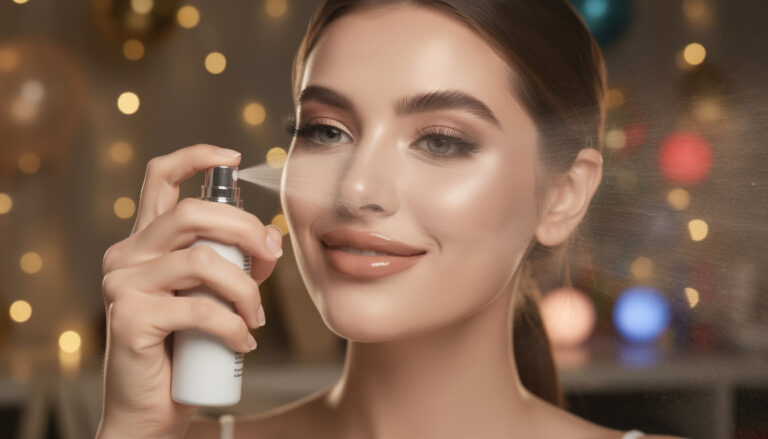
How to use primer to make your foundation last 16 hours straight
This lack of clear definition can sometimes even elevate products known for specific benefits over those that may simply appear appealing on the shelf.
The Misleading Nature of “Natural” Ingredients
As buyers, we often assume that “natural” ingredients imply safety. However, essential oils and plant extracts, often categorized as “clean,” can lead to irritation and allergic reactions for many skin types.
Dermatologists argue that every ingredient—natural or synthetic—has chemical properties. While “natural” may sound appealing, it’s essential to focus on how ingredients are used and validated through rigorous testing.
What Dermatologists Recommend Instead
Rather than getting swayed by marketing language, dermatologists emphasize the importance of ingredients that are proven to work. This involves transparency regarding formulations and labeling, including a Drug Facts panel when applicable.
Products like the SLMD Salicylic Acid Cleanser are developed with dermatologists to effectively unclog pores without disrupting skin balance, showcasing the sort of evidence-based approach needed for effective skin care.
The Rise of Greenwashing
The demand for clean and eco-friendly products has given rise to another challenge: greenwashing. Brands may label products as “clean” or “natural” while providing little evidence to back those claims, creating a haze of confusion amongst consumers.
Being informed about product safety and efficacy shouldn’t feel overwhelming. It’s about knowing how to spot real accountability in product formulations. One quick tip: look for ingredients and brands that prioritize scientific support over marketing strategies.
The Future of Clean Beauty Regulations
Looking ahead, changes are being made in the regulatory landscape. Laws like the California Toxic-Free Cosmetics Act aim to push brands towards safer, more transparent formulations while the FTC Green Guides are being updated to tighten environmental claims.
These legislative efforts are promising steps toward a more accountable beauty industry. They reward brands prioritizing science and safety, ensuring that products developed under dermatological supervision meet standards many “clean” labels cannot.
Shifting Consumer Awareness
As awareness around ingredients in beauty products grows, it’s vital to engage in conversations about their implications on personal health and environmental sustainability.
Despite the marketing veneer, informed consumers can make choices that reflect their values while taking care of their skin. Here’s a powerful takeaway: focus on the efficacy and tolerability of ingredients rather than falling victim to buzzwords or trendy labels.
Embrace informed choices this year—understand what’s behind the labels and empower yourself in your beauty journey. Your skin will thank you!