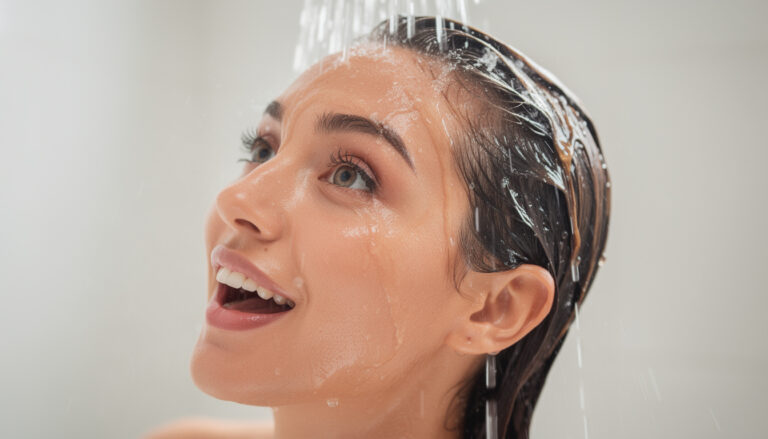
Winter brings a unique set of challenges for our skin, and one of the most common mistakes is misuse of hyaluronic acid. While this powerful hydrating ingredient is often hailed as a skincare miracle, many find themselves struggling with dry skin and irritation when the temperatures drop.
Brief: Learn about the essential role of hyaluronic acid in your winter skincare routine and discover the key mistakes to avoid for perfectly hydrated skin. Let’s explore how to maintain moisture in the harsh winter months! ❄️✨
The Science Behind Winter Skin Needs
As the cold weather sets in, the air loses its moisture and becomes dry. Coupled with indoor heating, our skin fights a constant battle against skin dehydration. This environment can lead to tightness and flakiness, which are common complaints in winter. Typically, your skin’s lipid barrier protects it, but this barrier can weaken if not supported properly.
Understanding How Our Skin Reacts
The cold months bring about a need for different products. When the air gets chilly, the moisture in the atmosphere decreases, leading to a greater risk of transepidermal water loss. This loss can expose the deeper layers of your skin, making it look and feel less vibrant.
Common Mistakes with Hyaluronic Acid
Using hyaluronic acid without fully understanding its properties can lead to numerous problems. One primary mistake is applying it without sufficient moisture, which can leave your skin feeling drier. Let’s break down why this happens and how to correct it.
The ‘face-lifting’ tape hack that celebrities use for red carpet events
Applying Hyaluronic Acid to Dry Skin
Many people think layering on a serum will do the trick, but hyaluronic acid actually thrives on moisture. If it’s applied on dry skin in a dry environment, it pulls moisture from deeper layers, exacerbating your dry skin. Always use a hydrating product or mist beforehand to create that moisture barrier! 🌬️💧
Key Ingredients for Your Winter Skincare Regimen
While hyaluronic acid is essential for hydration, it works best when paired with complementary ingredients. Let’s discuss what to include:
- Ceramides – These help fortify your moisture barrier. 💪
- Shea butter – Offers deep nourishment without clogging pores. 🍃
- Glycerin – Another humectant that draws moisture into the skin. ✨
- Niacinamide – Helps reduce redness and enhance hydration. 💖
Your skincare routine should be a blend of these, focusing on rich textures that can withstand the winter’s elements.
How to Optimize Your Skincare Routine
Now that you know some common pitfalls, let’s build a skincare routine that works effectively during the colder months. Incorporate the following steps for a robust winter regimen:
- Cleanser: Start with a gentle, creamy cleanser that won’t strip your skin. Avoid foaming cleansers as they can lead to further dehydration. 🧴
- Hydrating Serum: Layer a hydrating serum with hyaluronic acid on damp skin. ⏳
- Moisturizer: Choose a richer formula that seals in moisture, preferably one with ceramides or squalane. 🌟
- Sun protection: Make sure to apply a hydrating sunscreen daily, as UV rays can still penetrate through clouds and reflect off snow! ☀️
Stay Hydrated Inside and Out
Lastly, it’s crucial to remember that your overall well-being affects your skin health. Stay hydrated by drinking plenty of water, herbal teas, or incorporating hydrating foods rich in omega-3 and vitamins. 🍊🥗
Embrace this winter season with a solid understanding of your skin’s needs, and you’ll find that your routine can work wonders in keeping your skin glowing and healthy. Let’s say goodbye to winter dryness! 🌈🌬️