Have you ever spritzed your favorite perfume during the winter and noticed that it doesn’t quite smell the same as when you wore it in warmer months? This curious shift in fragrance can leave you wondering about the interplay between scent and the chilly air. In winter, perfumes can seem less vibrant, often leading to a more subtle olfactory experience. The intriguing reason behind this phenomena lies in how temperature, humidity, and our own skin chemistry work together to influence fragrance perception. Let’s explore this captivating topic to understand why winter can transform your beloved scent into something unexpectedly different.
Brief
- Temperature and fragrance behavior: Cold air tends to slow down the evaporation of fragrance notes, making them less prominent.
- Humidity levels: Winter often brings lower humidity, which can impact how scents are perceived and experienced.
- Olfactory perception: Changes in skin chemistry during colder months might modify how fragrances project and linger.
- Seasonal shifts: Certain notes become more pronounced or may fade in the winter atmosphere, emphasizing deeper, warmer scents.
How Temperature Affects Your Favorite Scent
In winter, the cold air can have a significant impact on how your fragrance develops. When temperatures dip, the evaporation rate of perfume ingredients decreases, causing lighter top notes to be less noticeable. Instead, heavier base notes often take center stage, leading to a different experience than what you might be accustomed to in the warmth of spring or summer.
The Role of Humidity
Lower humidity levels during winter mean that there is less moisture in the air to carry scent molecules. This results in a more concentrated yet muted projection of a fragrance. In summer, humidity helps amplify fragrance notes, allowing everything from floral to fruity scents to bloom vibrantly. However, in winter, less moisture means fewer scent particles are airborne, which can lead to the perception that your perfume smells “lighter.”
Why Does Your Skin Chemistry Change?
When winter arrives, your body’s natural oils can fluctuate due to temperature changes. These alterations in skin chemistry can affect how a fragrance interacts with your skin. For instance, your skin may become drier in colder conditions, which could cause a scent to wear differently than it does in the warmer months. This common issue often leads to people feeling as though their favorite fragrance is just not hitting the same notes.
The one styling product you must avoid if you have fine hair
Understanding Seasonal Fragrance Profiles
With the arrival of winter, certain fragrance notes can become more pronounced than others. Typically, richer, warmer scents such as amber, vanilla, and woods shine in colder temperatures. In contrast, light florals or citrus scents might feel more subdued, as the crisp air tends to emphasize deeper, earthier aromas. It’s fascinating how the season itself can essentially alter the personality of a scent, inviting us to explore our wardrobes and even switch to more winter-friendly fragrances.
Finding the Right Winter Perfume
Recognizing how winter transforms fragrances can empower you to choose the right scent for the season. Opting for perfumes that feature notes of spice, resin, or warming woods can create a wonderfully cozy aura that is perfect for cold days. Notable choices may include scents that encapsulate the essence of pine or Christmas spices, bringing that delightful holiday feel into your daily routine. Imagine wrapping yourself in the comforting notes of warm cinnamon or a fresh spruce forest — it’s the ultimate embrace of winter!
How to Make Your Perfume Last in Winter
To enhance your fragrance experience during winter, consider these tips:
- 💧 Moisturize before application: Apply a fragrance-free moisturizer to lock in scent.
- 🧥 Layer scents: Use products from the same line, like body lotion and perfume, for consistent notes.
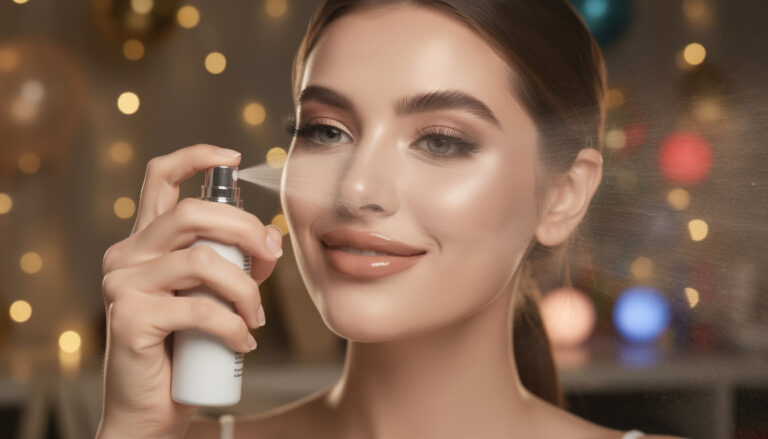
- 🌬️ Spritz on warm areas: Apply perfume to pulse points like behind the ears or on the wrists for better diffusion.
Navigating the Bizarre Scent Experience
While it can be puzzling why a beloved perfume feels different in winter, understanding the science behind olfactory perception can help you embrace the changes. The intricate dance between temperature, humidity, and our individual skin chemistry all play roles in how fragrance develops and how it satiates our senses. Don’t be discouraged if your favorite scent feels different; consider it an invitation to explore a range of fragrances that can elevate your winter experience. Now is the perfect time to indulge in scents that bring warmth and joy to the colder months!