As winter wraps the world in a delicate blanket of snow, the serene beauty can easily be overshadowed by the hidden dangers of icy pathways. The joy of the season often comes paired with the risk of slips and falls, making it essential to equip ourselves with the right knowledge and gear for safe navigation. Understanding the safest heel height for icy walks can significantly reduce our chances of encountering mishaps. With expert guidance, a blend of caution, and proper footwear, we can embrace the crisp air without fear.
Brief: Essential insights for walking safely on icy paths this winter, highlighting the optimal heel height, effective footwear safety tips, and practical methods of slip prevention. Let’s explore strategies for maintaining balance and traction during cold weather walks, keeping our winter experience joyful and secure. ❄️🧊
Finding the Right Heel Height for Icy Conditions
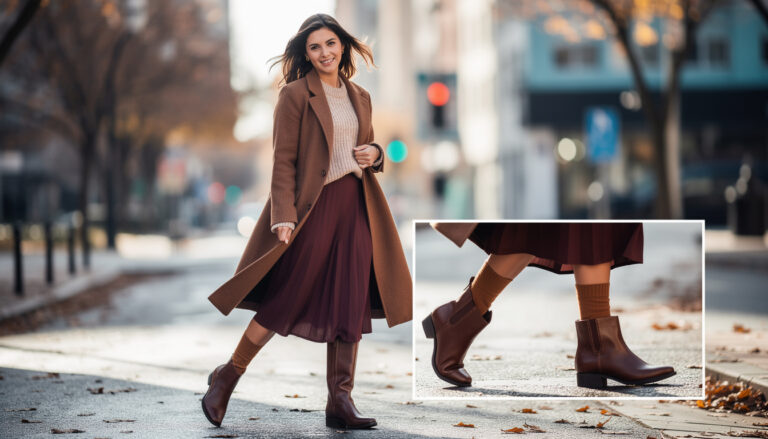
When it comes to icy walks, the choice of footwear can make all the difference. Experts recommend selecting shoes with a heel height of less than two inches. A lower heel not only enhances stability but also keeps the center of gravity aligned with our feet, crucial for maintaining balance on slippery surfaces. High heels, while stylish, dramatically increase the risk of slipping and falling due to their narrow contact area with the ground.
Choosing boots with textured soles is vital for increasing traction. Look for styles that boast deep grooves and rubber treads, which significantly enhance grip on slick terrains. Walking outdoors equipped with the right heel height keeps us grounded as we navigate the frosty world. The aim is simple: safety, comfort, and style can harmonize even in the coldest months.
The Importance of Traction and Balance
Every winter stroll should feel secure, yet many overlook the critical aspects of traction and balance. When traversing icy pathways, it’s advantageous to adopt a more deliberate approach: small, shuffled steps are key. This “penguin walk” technique not only reduces the distance from ground to center of gravity but provides a safety net if you do happen to lose your footing.
The “Power Suit” update that is taking over US offices in 2026
Remember the golden rule: keep your hands out of your pockets. This leaves your arms free to adjust and catch you if the need arises, improving your overall balance. Whether rushing to pick up groceries or leisurely enjoying the season, making a conscious effort to slowly assess your surroundings will help avert potential slips.
Choosing the Right Winter Footwear
Expert insights suggest that it’s not only about heel height but also the boots you choose. Look for sturdy winter footwear that provides adequate support while ensuring traction. Opt for features such as:
- Deep-grooved soles for enhanced grip on slippery surfaces 🥾
- Insulation to keep your feet warm during outdoor activities ❄️
- Waterproof materials that ensure your feet stay dry and cozy in wet conditions ☔
Investing in slip-on cleats or ice spikes is also a smart choice for those who frequently walk on icy paths. These attachments easily fit over your existing shoes and provide extra traction without compromising comfort.
Tips for Safe Cold Weather Walking
Engaging in these simple tips will help navigate winter’s icy challenges with confidence:
- Check your steps: Always tap the ground with your foot before fully stepping to gauge slipperiness 📏
- Stay aware: Look around and be cautious of dark, wet areas that may hide ice underneath 🌑
- Wear appropriate footwear: Choose shoes with a flat base; avoid heels for optimal safety 🛡️
These practices will keep you safer as you embrace the beauty of winter. Allow yourself a moment to reflect on your environment, ensuring a more mindful approach while enjoying the crisp air and fresh powder.
Building Confidence in Icy Conditions
The winter months provide a stunning backdrop for adventures, yet they demand respect and preparation. When stepping out, consider clothing layers that offer warmth without obstructing your movements. Confidence while walking is often a blend of knowing your footwear, understanding traction, and taking things slow.
Incorporate balance exercises into your routine if ice walking continues to be a concern. Simple activities such as standing on one foot or practicing yoga can enhance stability, giving you the strength to navigate diverse terrains effectively.
Encouragement for the Brave Winter Wanderers
Making the most of winter means embracing the beauty of frosty landscapes. Remember, it’s perfectly normal to feel hesitant about walking on icy surfaces; however, taking proactive steps will bolster your confidence and enjoyment. Your journey matters, and cultivating a practice of safety and self-care can transform your winter experiences into joyful memories.
Stepping onto the beautiful, white blanket outside may feel daunting, but with the right understanding of heel height, traction, and balance, you’ll navigate icy paths like a pro. So go ahead and enjoy that invigorating winter air. Stay safe, stay warm, and let your winter adventures unfold! 🌟✨