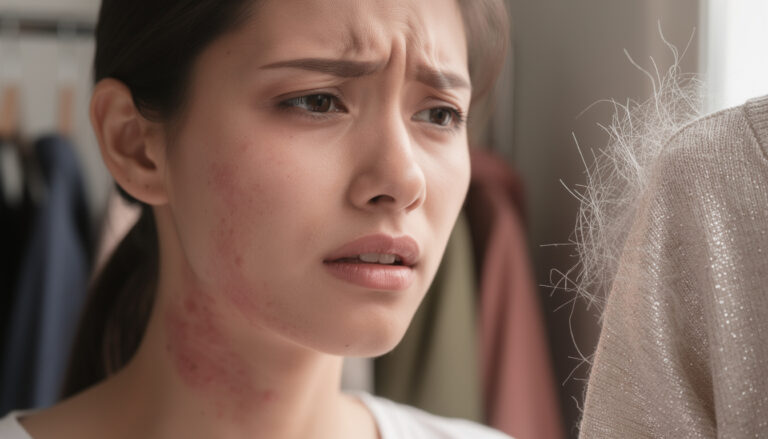
Struggling with flakes? 🌨️ It might be dry scalp or dandruff, but the solution depends on knowing the difference! Many women notice those white flakes on their shoulders when winter hits or stress takes over, but confusion around whether it’s dandruff or simply a dry scalp can lead to ineffective treatments. The truth is, these scalp conditions look similar but come from very different causes and need distinct care routines. Understanding what’s truly happening can transform your scalp health and boost your confidence.
Key insights to keep in mind:
- ❄️ Dry scalp is caused by lack of moisture and usually feels tight and itchy.
- 🔥 Dandruff involves a fungal imbalance with oily, clumpy flakes and sometimes redness.
- 🛡️ Different treatments are required: hydrating routines for dry scalps versus medicated shampoos for dandruff.
- ⚡ Misdiagnosis can worsen symptoms, making the right diagnosis essential.
“True beauty begins with the confidence of a healthy scalp.” – Unknown
Recognizing the Signs: Is It Dry Scalp or Dandruff?
Everyone’s experienced that awkward moment—a snowstorm of flakes falling on dark clothing. But those flakes tell a story. When the scalp loses moisture due to cold air or harsh products, it becomes tight and itchy with small, powdery flakes that easily fall away. This is often what many mistake as dandruff. On the contrary, dandruff is a chronic condition driven by an overgrowth of Malassezia yeast, resulting in larger, oily flakes that stick together and sometimes cause redness or inflammation.
Think about times during winter when dry, dry air sucks moisture right from your skin and scalp. Your scalp may feel uncomfortable, and flakes are almost like tiny dry leaves drifting away. Alternatively, dandruff thrives in oily conditions and can flare with stress, hormonal shifts, or if scalp oils are not managed correctly.
Beach Waves in 5 Minutes: The Flat Iron Twist You Haven’t Mastered Yet
Personal Routines to Tackle Dry Scalp During Winter
Winter brings an undeniable dryness that can leave your scalp feeling like sandpaper. If you notice tiny, powdery flakes falling, your scalp might just be craving hydration. Embracing a gentle, moisturizing routine is key.
- 🧴 Swap out harsh sulfate shampoos for hydrating options containing aloe vera or argan oil.
- 💧 Limit washes to 2–3 times a week to preserve natural oils.
- 🌿 Apply a lightweight jojoba or almond oil serum before shampooing for a soothing effect.
- 🛁 Lower shower water temperature to lukewarm to avoid stripping oils.
- 💨 Use a humidifier indoors to replenish moisture in dry air.
These simple adjustments can turn a flaky, itchy scalp into a comfortable, nourished foundation for healthy hair.
Why Dandruff Needs a Different Game Plan
Dandruff isn’t just dry skin; it’s a complex condition caused largely by fungal imbalance. The presence of Malassezia yeast feeds on oils, encouraging inflammation and stubborn large flakes that often feel greasy. Unlike dry scalp, dandruff often comes and goes and requires active fungal control alongside scalp care.
- 🔬 Consistent use of medicated shampoos with zinc pyrithione or ketoconazole is crucial.
- ⚖️ Avoid heavy oils and styling products that trap bacteria and exacerbate flaking.
- 🧘♀️ Manage stress levels since stress can trigger flare-ups.
- 🧴 Consider gentle scalp exfoliation to remove buildup and improve shampoo efficacy.
- 🥗 Incorporate scalp-healthy nutrients like omega-3 fatty acids and zinc.
Addressing the root fungal cause will bring relief, but remember, dandruff often requires ongoing care to keep symptoms at bay.
Common Myths That Keep Us Stuck with Flakes
Misunderstandings about scalp flakes often lead to frustration. One big myth is that dandruff only happens from poor hygiene. Actually, dandruff isn’t contagious and isn’t simply about cleanliness. Oils on your scalp are naturally produced, and dandruff results from when an imbalance occurs, not when you skip washing.
Another misconception is that oils cure all flakes. While oils work wonders for dry scalp, they can fuel dandruff by feeding the yeast on your scalp. Knowing your scalp’s story means avoiding the wrong “fixes” and saving time and stress.
Scalp Care Habits to Keep Flakes Away Year-Round
The most effective way to enjoy a healthy scalp and luscious hair is by tailoring scalp care to your needs and lifestyle. Both dry scalp and dandruff benefit from mindful habits that promote balanced skin and follicle health.
- 💧 Keep your body hydrated and maintain a balanced diet rich in vitamins and minerals.
- 🛁 Avoid over-washing; find a hair washing routine that preserves scalp oils.
- ☀️ Protect your scalp from extreme weather by wearing hats or scarves.
- 🧴 Choose hair products targeted to your scalp’s condition: moisturizers for dryness, medicated shampoos for dandruff.
- 🧘♀️ Manage stress through exercise, meditation, or hobbies you love.
Regularly practicing these habits means fewer flakes and a scalp that feels refreshed and healthy.
Your path to a flake-free scalp starts with understanding and care
Getting to know whether your scalp struggles with dryness or dandruff is the gateway to effective treatment and lasting comfort. Don’t be discouraged if it takes some trial and error with products – your scalp’s needs can evolve with seasons and lifestyle changes. Embrace gentle hydration if dryness rules your scalp, or commit to a consistent anti-fungal regimen if dandruff is your scalp’s nemesis.
Invest in quality shampoos like the Neutrogena T/Gel Therapeutic Shampoo ($10-$15)—a dermatologist favorite for dandruff control available nationwide—and pair it with nourishing oils or conditioner for dry scalp days. Because a healthy scalp isn’t just about looking good; it’s about feeling confident and radiant every day.
Keep tuning in for more expert-approved tips and product reviews that empower you to care for your scalp and hair like a pro, no matter the season.