In brief: 🌟 Tight hairstyles like ponytails and braids can cause traction alopecia, a form of hair loss due to constant scalp tension. Watch for early warning signs such as scalp soreness, bumps, and localized hair thinning to prevent permanent damage. 💡 Switching to looser styles, adopting gentle hair care routines, and consulting a dermatologist early can save your hair. Remember, protecting your hair health is just as important as looking great! 💇♀️✨
Why Sleeping with a Tight Ponytail Could Harm Your Hair Health
Ever found yourself rushing to bed only to tie your hair up in a quick ponytail, thinking it keeps your hair neat overnight? It’s a familiar scene for many women balancing busy lives. Yet, that simple habit might be leading to unintended consequences like ponytail hair loss, scientifically known as traction alopecia. This condition results from the repetitive pulling on hair follicles, causing hair breakage and gradual thinning, especially around the hairline.
As the seasons shift, many embrace cozy nights and change up their beauty routines. Winter, with its chill, often motivates women to pull their hair back to avoid tangling and dryness. However, tight hairstyles combined with dry scalp conditions can intensify scalp tension and damage. Understanding the alopecia warning signs linked to these habits empowers every woman to protect her crowning glory while staying stylish and comfortable.
Recognizing Early Signs of Traction Alopecia to Safeguard Your Scalp
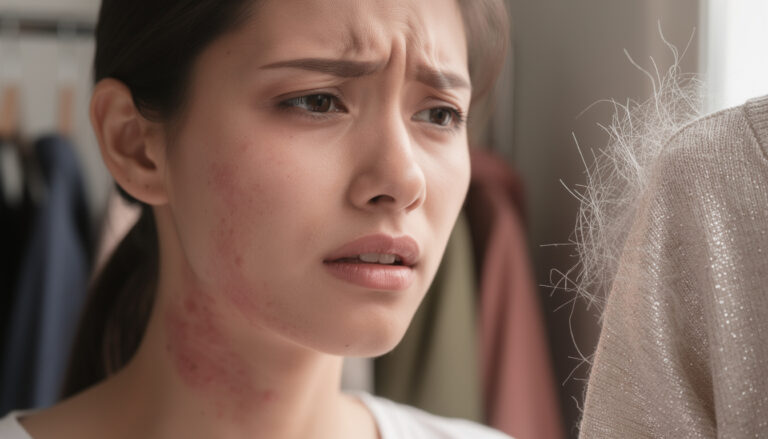
One of the trickiest aspects of traction alopecia is that it often starts subtly. You might notice tenderness or slight soreness in the scalp areas where hair is regularly pulled tight — the first red flags your follicles send out. It’s common to spot small pimple-like bumps along your hairline or where your ponytail pulls hardest.
This discomfort and minor inflammation is your scalp’s way of signaling stress. Ignoring these signs can lead to pronounced hair thinning or even patchy bald spots as hair follicles become damaged beyond repair. Staying vigilant to these symptoms can mean the difference between simple adjustments and irreversible hair loss.
Stop Asking for Layers! Why One-Length Cuts Are Better for Thinning Hair
The Troubling Impact of Tight Hairstyles: More Than Just a Ponytail
While ponytails are often the main suspect, many other styles can lead to similar issues. High buns, tight braids, weaves, and extensions all exert tension on the scalp, especially when worn frequently or overnight. For example, ballerinas and gymnasts, who often put hair under constant strain, are known to experience traction alopecia at higher rates.
Long hair enthusiasts beware: even the weight of lengthy strands can cause stress on your hair roots. Consistent pulling weakens the follicle’s grip, inviting breakage and dullness.
Key factors contributing to hair damage prevention:
- 🎗️ Avoid daily tight ponytails or buns that tug sharply at the scalp
- 🌿 Keep braids and weaves loose to reduce constant pulling
- 💤 Never sleep with overly tight hairstyles—give your scalp a break!
Practical Hair Care Tips to Ease Scalp Tension and Boost Hair Health
Flipping the script on tight hairstyles isn’t about sacrificing style. It’s about smarter habits that celebrate both beauty and health. Loosening your hairdo, varying styles, and gentle handling can drastically reduce stress on your scalp.
In winter especially, when dryness stiffens hair, hydration is your secret weapon. Try a nourishing silk or satin pillowcase to protect hair strands overnight, reducing friction and breakage. When detangling, always start at the ends, moving upward gently with a wide-tooth comb after spritzing a leave-in conditioner.
- 💧 Use hydrating hair masks weekly to restore moisture
- 🌸 Opt for mild shampoos free from harsh sulfates
- 🔁 Rotate hairstyle choices often to avoid constant tension
Tackling Hair Thinning: When to Seek Professional Help
Sometimes, despite all precautions, hair loss creeps in. At that point, consulting a dermatologist can unlock targeted treatments. Professionals might recommend topical therapies like minoxidil or corticosteroid applications to reduce inflammation and stimulate follicle recovery. Advanced options include platelet-rich plasma therapy and low-level laser treatments, which have shown promising results in reviving stubborn hair follicles.
It’s essential to recognize that early intervention often spells the difference between successful recovery and permanent damage. If you notice persistent scalp tension, bumps, or uneven thinning especially around the hairline, making a specialist visit a priority is a wise choice.
Empower Your Hair Journey by Embracing Healthier Routines
Switching up styling habits to prioritize hair damage prevention need not mean compromising your signature look. It’s about balance—cultivating styles that respect your hair’s natural strength and the sensitivity of your scalp. Try letting your hair down more often, experimenting with soft buns or loose braids, and consistently nourishing your scalp.
Incorporate gentle hair care tips designed for longevity, especially during colder months when hair tends to become brittle. And remember, watching for early alopecia warning signs empowers you to act swiftly, preserving your hair’s fullness and vitality for years to come.
Stay inspired, stay radiant, and let your hair be a true reflection of your vibrant spirit!